13.06.2024. 22:55h
Football has returned home – was the slogan of the European Championship in 1996, which was organized by England, the cradle of football.
It was in England that UEFA introduced a modified (expanded) version of the continental championship – with four groups of four teams each, as well as a quarter-final match. The Euro is twice as long as the previous one, twice as many games and, some would say, twice as good football.
As 30 years earlier, when they organized the World Cup, the English expected to win a major competition on their territory. But, as the legendary English centre-forward Gary Lineker said a few years earlier, “football is a game of 11 against 11 in which the Germans always win”.
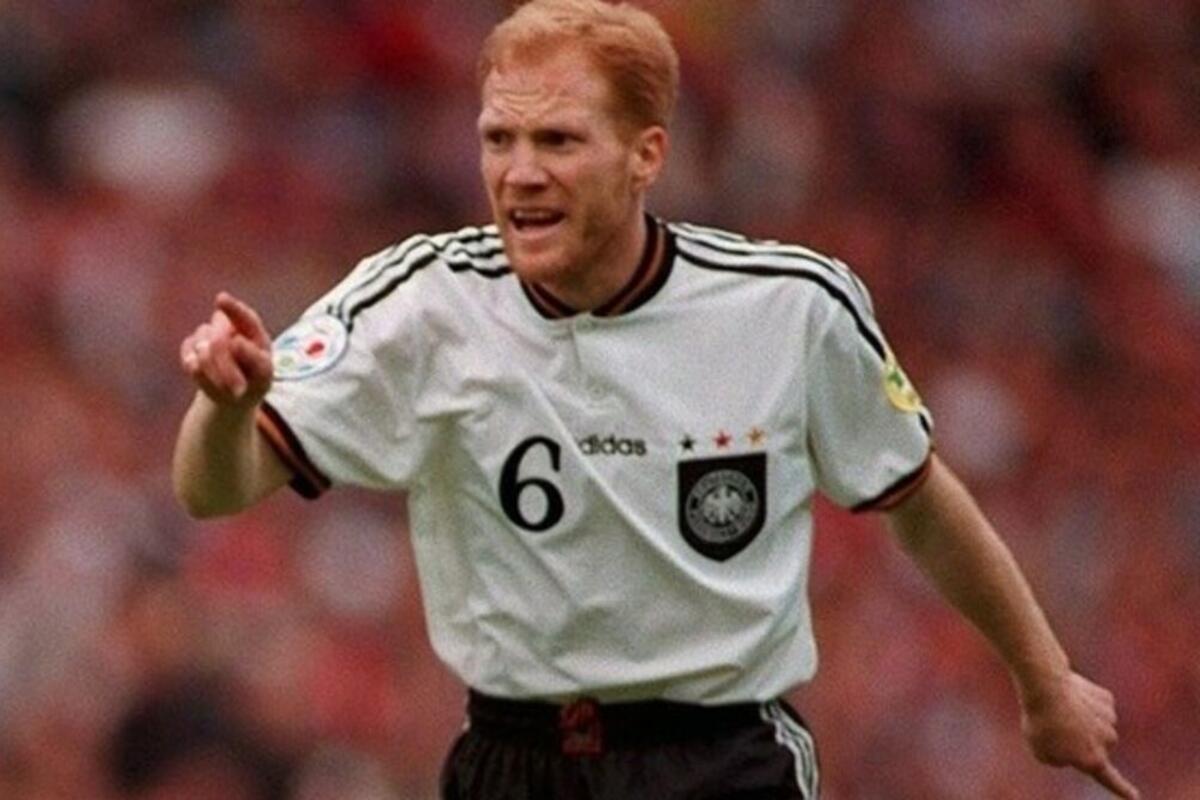
Of course, the Germans won the European Championship with a victory against Croatia in the quarter-finals (2:1), a triumph against England in the semi-finals (on penalties, after 1:1) and Oliver Biroff’s golden goal against the championship sensation Czech Republic in the final (2:1).
Since the Euros in England, an era of modern football has begun where everyone plays like the Germans played ten or 20 years ago – with lots of running and raw power. Thus began the era of industrial football, which the Germans nurtured much earlier than others.
And the “last Mohicans” of real German football were led from the bench by the former “elf” defender Berti Fogst, who is much better known to the public in this area as a player who got lost in Dragan Džajić’s dribbles, than as an impassable right back.
His team consisted of Kepke, Babel, Reuter, Zamer, Zige, Štrunc, Ailts, Hessler, Scholl, Möller and Klinsmann, while Schneider, Biroff, Reck, Helmer, Kunz came from the bench… It was the…




 Photo by Chelsea Wiley
 via
via  via
via