Hegel Music Systems Viking CD player | Stereophile.com ]]>
Categories
Hegel Music Systems Viking CD player

Hegel Music Systems Viking CD player | Stereophile.com ]]>
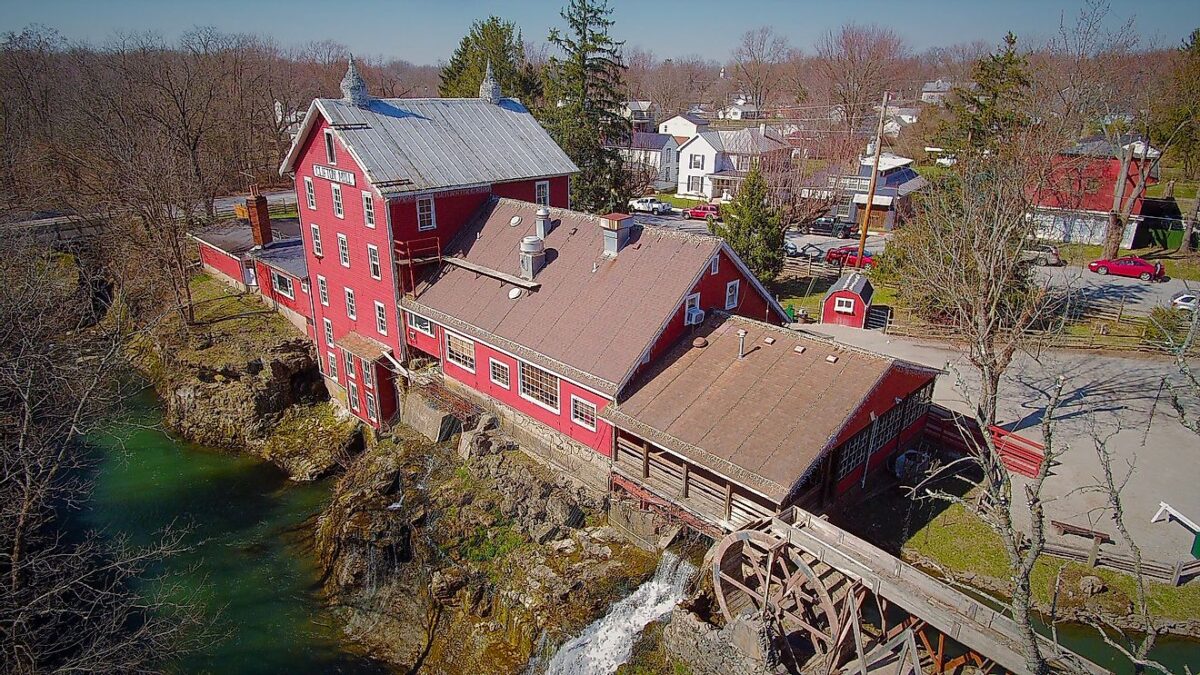
When the fall season draws to a close and the temperatures begin to decrease, most people in the Midwest typically remain behind closed doors. But this does not always have to be true if you are in the Buckeye State. Something special about small-town Ohio makes you want to go against the grain and venture outside. There is always something to explore, from fun winter festivals and stunning natural landscapes to exciting snow sports. Luckily, numerous quaint towns spread across the state will make you fall in love with the cold season. Whether embarking on a solo trip, going for a romantic escape, or taking a family vacation, these charming towns in Ohio have all the hallmarks of a remarkable winter getaway.
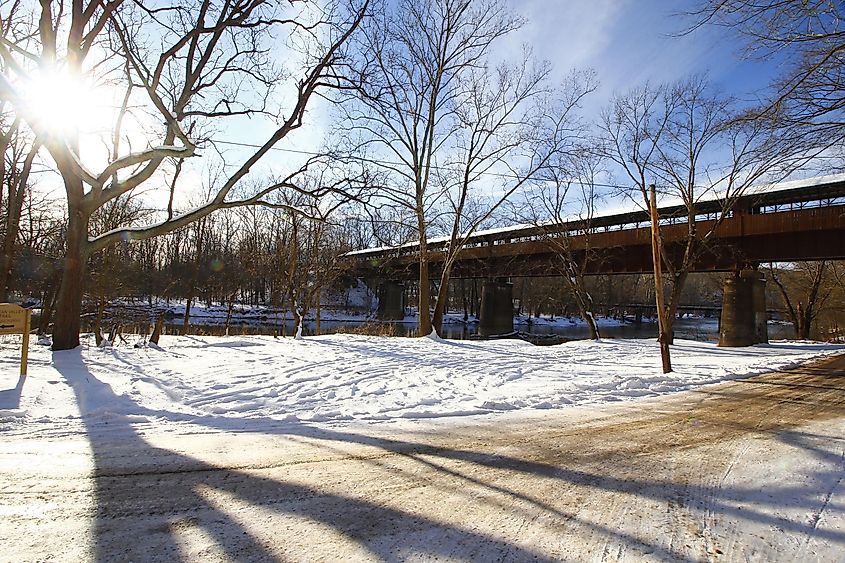 A bridge over the Mohican River near Loudonville, Ohio.
Loudonville may be known as a summer hotspot, but you will be surprised by just how much there is to do during the winter. The “Canoe Capital of Ohio” has diverse outdoor opportunities beyond the canoeing activities along the Mohican River. For winter enthusiasts, Mohican State Park houses beautiful woodland scenery with lovely trails, perfect for snowshoeing, cross-country skiing, and hiking when it snows. Besides exploring the gorgeous scenery, you can try ice fishing in the frozen waters of Clear Fork Gorge and Lyon’s Falls.
If it proves too cold for comfort, you can drive along the Wally Road Scenic Byway to enjoy the scenes from the comfort of your car. The route runs along the Mohican State Scenic River, traversing several campgrounds and the Mohican Reservation, so keep your camera on hand for all the photo opportunities. After the adventure, check into Landoll’s Mohican Castle to enjoy luxurious accommodation in a secluded location about 3.5…

Ohio’s Top Trails for Mountain Biking Enthusiasts
Ohio might not be the first state that comes to mind when you think of mountain biking, but it boasts a variety of trails that cater to riders of all skill levels. From the rugged paths of the Appalachian foothills to the scenic routes along the Great Lakes, the Buckeye State offers some hidden gems for mountain biking aficionados.
Exploring the Appalachian Foothills: Vulture’s Knob
Located near Wooster, Vulture’s Knob is renowned for its challenging terrain. With over 125 acres of privately-owned land, this trail system is meticulously maintained by a dedicated group of volunteers. It features technical singletrack, steep climbs, and thrilling descents, making it a favorite among experienced riders.
Singletrack Adventures: Mohican State Park
Mohican State Park is a paradise for mountain bikers seeking extensive singletrack trails. The 24-mile loop is one of the longest in the state, winding through lush forests and offering a mix of climbs and fast sections. It’s a must-ride for those looking to immerse themselves in nature while getting a solid workout.
Family-Friendly Riding: Alum Creek State Park
For those seeking a more family-friendly experience, Alum Creek State Park’s Phase 1 Trail is perfect. With moderate difficulty and well-marked routes, it’s an excellent choice for beginners or riders with children. The park also offers a separate skills area to practice before hitting the trails.
FAQ:
Q: What is singletrack?
A: Singletrack refers to narrow mountain biking trails that are approximately the width of the bike, allowing only one rider to pass at a time.
Q: Are these trails open year-round?
A: Trail availability can vary depending on weather conditions and maintenance schedules. It’s best to check with local park authorities or trail websites for current information.
Q: Do I need a permit to ride on these trails?
A: Some trails may require a permit or fee. Always…
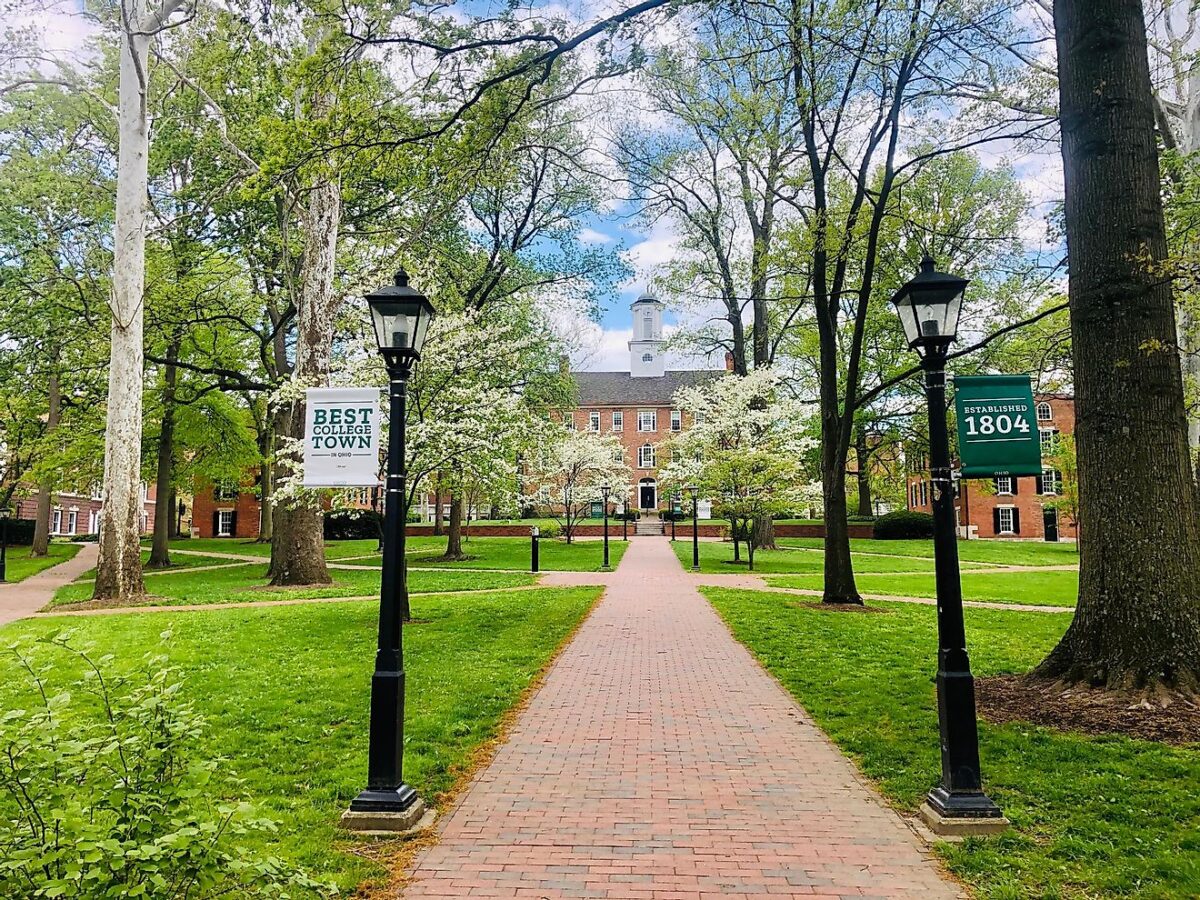
Ohio is known for many things, like the Rock and Roll Hall of Fame, its sports teams, and being the home of the Wright Brothers. Ohio became a state in March of 1803. Seven US Presidents were born in Ohio.
The state gets its name from the Iroquois word Ohi-yo, meaning “Great River.” Ohio, the “Buckey State,” offers a wealth of things to do, from its massive state fair and incredible museums to a land lush with flora and fauna for outdoor enthusiasts to explore. Discover Ohio’s top small towns with enchanting and unique experiences for the perfect weekend getaway.
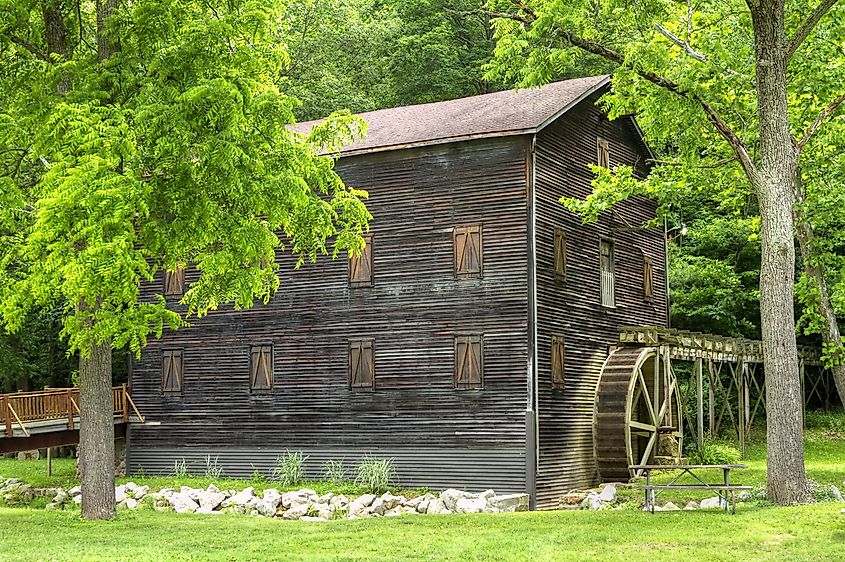 Historic Wolf Creek Grist Mill in Loudonville, Ohio.
The village of Loudonville, which lies in both Ashland and Holmes counties, is nicknamed the “Canoe Capital of Ohio.” This nickname was earned for the village’s many canoe liveries along the Mohican River. Holmes County, Ohio, is home to one of the largest Amish communities.
Loudonville is a nature enthusiast’s paradise, with its myriad of outdoor activities in and around the Mohican State Park. The park offers excellent hiking, biking, canoeing, and camping opportunities. With all of the hustle and bustle of the big cities in the state, Ashland County is considered one of Ohio’s best-kept secrets (until now). You’ll find breathtaking waterfalls, beautiful parks, and historic sites like Wolf Creek Grist Mill and the Cleo Redd Fisher Museum.
If you are searching for something fun for the whole family, Mohican Adventures will not disappoint. End your fun-filled days at Landoll’s Mohican Castle, a charming hotel with unique castle-like suits, breathtaking views, and an on-site restaurant providing friendly service and delicious meals.
Continue reading
In recognition of Native American Heritage Month in November, MassLive asked readers to identify people who are leaders from the Indigenous community throughout the state, working to make a difference in their own area of interest, be it politics, education, business or the arts.
MassLive will publish profiles of these leaders through November. These are people our readers have identified as inspirational, who may be doing good acts for their communities. They are being recognized for their accomplishments, leadership and commitment to inspire change.

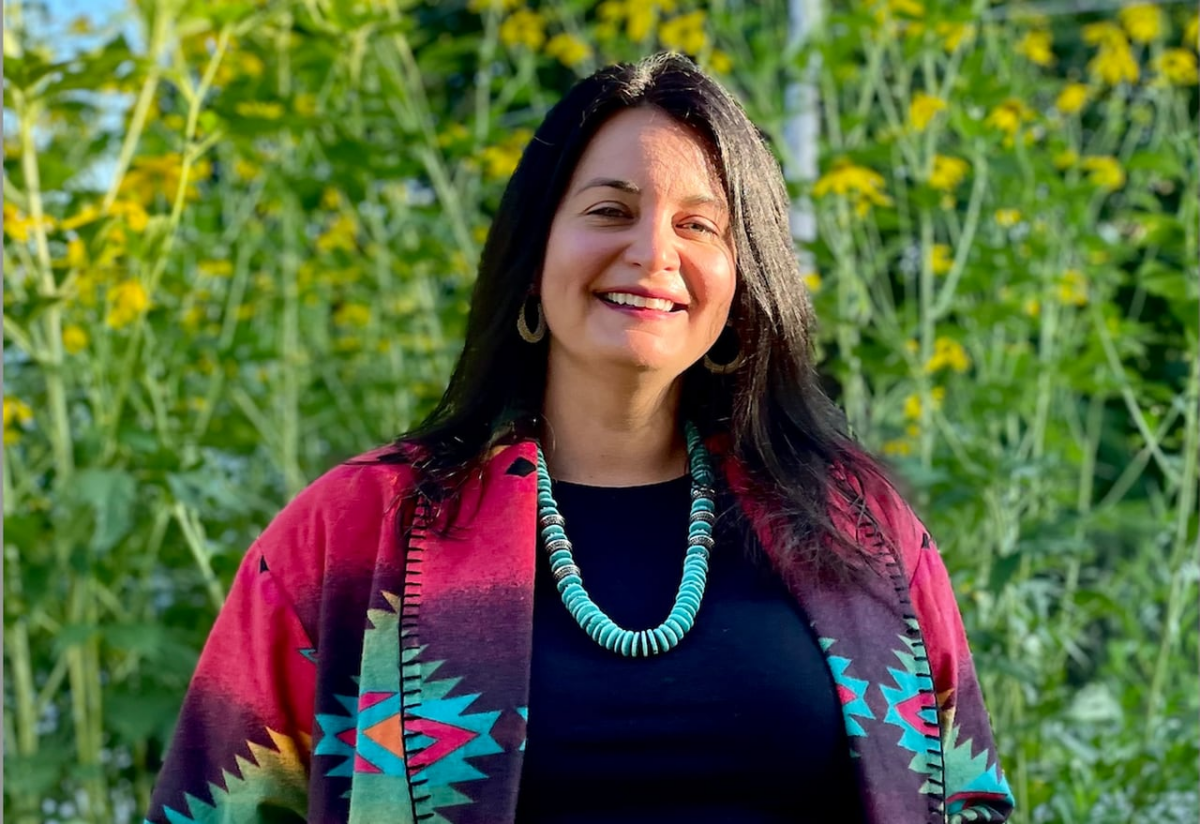
Bonney Hartley, an employee and member of the Stockbridge-Munsee Mohican Nation. Photo courtesy Bonney HartleyBonney Hartley
Age: 41
Community: Williamstown/The Berkshires
Her story: Bonney Hartley honors her Western Massachusetts ancestors in the Stockbridge-Munsee Mohican Nation in the most visceral sense: she focuses on their repatriation from museums through managing the Nation’s historic preservation extension office, which also protects burial and cultural sites from proposed development projects.
“I had visited our homelands before with family and felt a pull to address our erasure in the area from that visit. I was also motivated by experiencing the closeness of ancestors all around us in the homelands,” Hartley said.
Hartley explained in the 1700s, her Mohican Tribe lived in a formed Stockbridge missionary town and because of this history, she gained modern representation in several area projects outside of research, writing claims and negotiating to bring home ancestors bodies’ and their cultural items.
These include a Mohican History walking tour on Main Street, which led to the Stockbridge Main Street District’s official listing with new Mohican representation in the National Register of Historic Places, and a 2020 partnership with Williams College.
“The work matters to our people today and to our ancestors by providing care and restoring dignity, and protecting our ancestral places so that we…

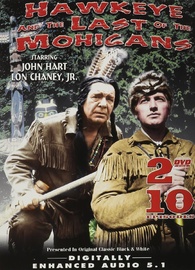
Warriors Bowling League action continued, with Navaho and Commanche tying 2-2, Blackfoot defeating Apache 4-0, and Kickapoo defeating Mohican 3-1.
Standings
Last weeks results
Team
Men
Women

]]>
Continue reading
Unveiling the First Settlers of Vermont: A Journey into the Past
The Green Mountain State, known for its lush landscapes and vibrant fall foliage, has long been a subject of historical intrigue when it comes to its earliest inhabitants. As historians dig deeper into the past, the question arises: Who was the first person in Vermont?
Evidence suggests that the area now known as Vermont was first traversed by indigenous peoples thousands of years ago. These Native American tribes, including the Abenaki and the Mohican, were Vermont’s original settlers, living off the land long before European explorers set foot on the continent.
European Footprints in the Wilderness
The title of the first European to reach Vermont is a matter of some debate. However, it is widely accepted that French explorer Samuel de Champlain is credited with being among the first Europeans to lay eyes on the region in 1609. His arrival marked the beginning of a new era, as European colonization would soon follow.
Colonial Settlers and the Birth of a State
The first permanent European settlement in Vermont was not established until much later. In 1724, Fort Dummer was built near present-day Brattleboro as a British outpost during the conflict with the French. The first recorded town, Bennington, was chartered in 1749, and from there, the state’s colonial population began to grow.
FAQ:
Q: Who were the original inhabitants of Vermont?
A: The original inhabitants were Native American tribes, including the Abenaki and the Mohican.
Q: When did Samuel de Champlain explore Vermont?
A: Samuel de Champlain explored the region in 1609.
Q: When was Vermont’s first permanent European settlement established?
A: The first permanent European settlement was established in 1724 with the construction of Fort Dummer.
Definitions:
Indigenous Peoples: The first inhabitants of a region, before colonization or annexation by a foreign power.
European Colonization: The process by which European countries…
Tracing the Roots of Vermont: The First Settlers
The picturesque state of Vermont, known for its lush forests and serene landscapes, owes its rich history to the early settlers who first made it their home. Before it became the 14th state of the United States, the area that is now Vermont was inhabited by Native American tribes, including the Abenaki and the Mohican. However, the narrative of European settlement begins in the early 18th century.
European Footprints in the Green Mountains
The first permanent European settlers in Vermont were from English and French origins, with the French explorer Samuel de Champlain laying claim to the region in 1609. However, it wasn’t until the 1720s that the English began to establish a foothold, with families such as the Havilands and the Fitches venturing into the territory from neighboring colonies. These pioneers faced a rugged terrain and harsh weather conditions, carving out a living from the dense forests of the Green Mountains.
Settlement and Conflict
The early settlement period was marked by territorial disputes between the French and the British, culminating in the French and Indian War. The conclusion of the war in 1763 saw the British taking control, leading to an influx of settlers, primarily from New Hampshire. The governor of New Hampshire, Benning Wentworth, began granting land, which led to the establishment of towns like Bennington and Brattleboro.
FAQ:
Q: Who were the original inhabitants of Vermont?
A: The original inhabitants were Native American tribes, including the Abenaki and the Mohican.
Q: When did the first European settlers arrive in Vermont?
A: The first European settlers, primarily of English and French descent, began to arrive in the early 18th century.
Q: What was a significant conflict that affected early Vermont settlers?
A: The French and Indian War significantly impacted early settlers, leading to British control over the region.
Definitions:
– Abenaki:…
Exploring the Roots: The Diverse Nationalities that Shaped Vermont
Nestled in the heart of New England, Vermont’s rich tapestry of cultural heritage is as verdant as its famed forests. The state, known for its picturesque landscapes and quaint towns, boasts a history of settlement that spans various nationalities, each contributing to the unique character of the Green Mountain State.
Early Settlement and French Influence
Initially, the area that is now Vermont was inhabited by Native American tribes, including the Abenaki and the Mohican. However, the first European explorers to set foot in Vermont were French. Samuel de Champlain, the French explorer, claimed the region for France in 1609. The French influence remained significant until the latter half of the 18th century, when the region became a point of contention between the French and the British.
British Colonization and the American Revolution
Following the French and Indian War, British settlers began to populate the area. The British influence was short-lived, however, as Vermonters played a pivotal role in the American Revolution, leading to the establishment of the independent Vermont Republic in 1777. It wasn’t until 1791 that Vermont joined the United States as the 14th state.
Irish and German Immigrants
The 19th century saw an influx of Irish and German immigrants, who came seeking work in agriculture, railroads, and the burgeoning industries of Vermont. These groups brought with them their customs, traditions, and a strong work ethic, further enriching the state’s cultural landscape.
FAQs:
Q: What were the original inhabitants of Vermont?
A: The original inhabitants were Native American tribes, including the Abenaki and the Mohican.
Q: When did Vermont become a part of the United States?
A: Vermont became the 14th state of the United States in 1791.
Q: Which European nationalities primarily settled in Vermont?
A: French, British, Irish, and German settlers were the primary European nationalities that settled in…
 ▼
▼

 All countries


