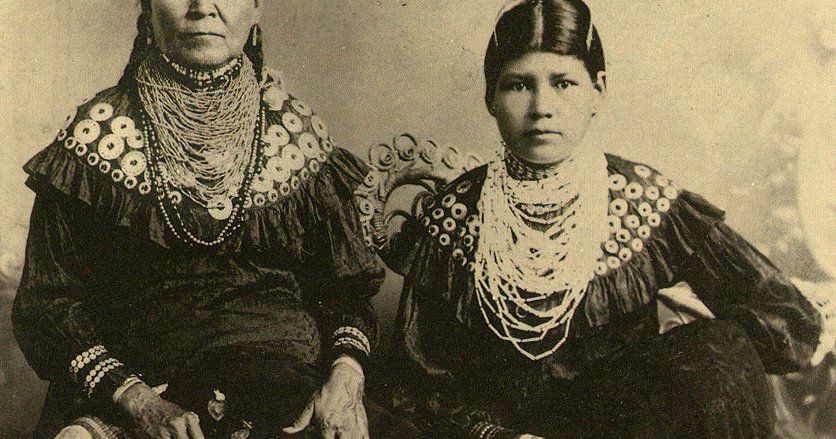
For years, American history has been taught through the lens of colonization. The erasure of America’s indigenous people has persisted for centuries, suppressing the rich and profound history of generations of native populations. Despite decades of displacement and disenfranchisement, however, America’s indigenous populations persist and advocate for a brighter future for their people. Today, let’s look inside Trenton’s native population and explore the vast world of the Lenni-Lenape people.
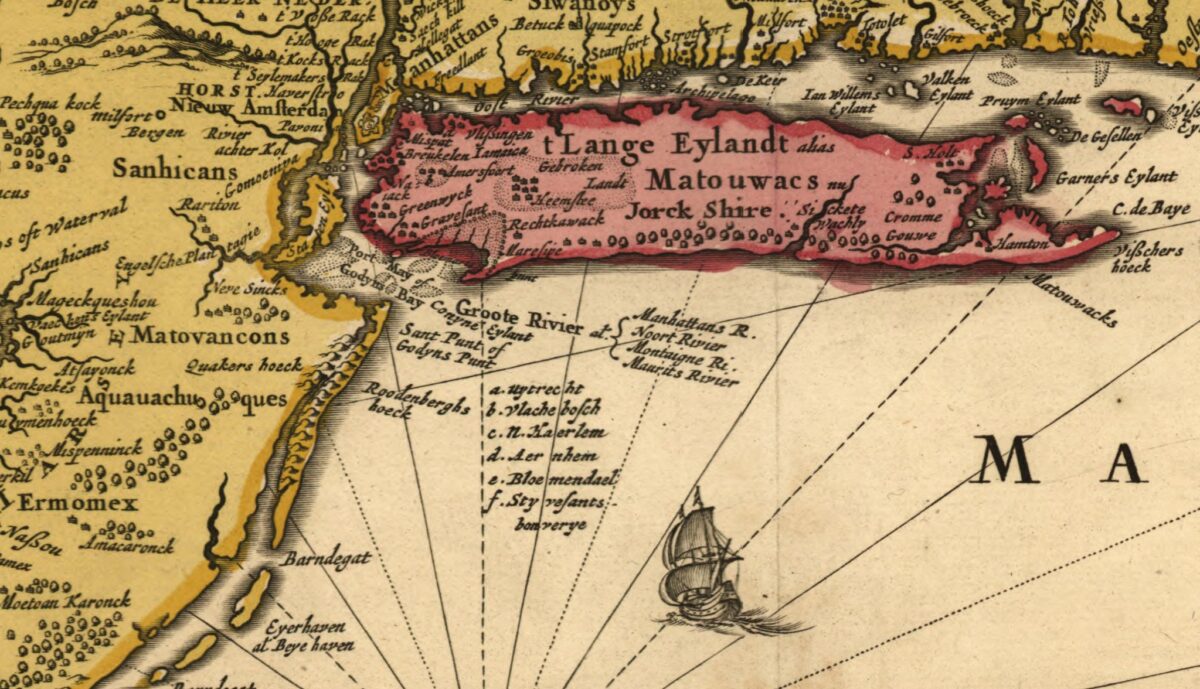
The Lenape, or the Lenni-Lenape, were the first settlers of Trenton and communities throughout the region. The tribe’s historical territory includes New Jersey, Pennsylvania, the Lower New York Bay, and parts of Delaware. Lenni means genuine or original, while Lenape translates to “real/original person,” inferring that this was the region’s original people. The tribes were then broken into three subdivisions:
- The Minsi, or “the people of the stony country,” lived in the North
- The Unami, or “the people down the river,” lived in Central regions
- The Unilachtigo, or “the people who lived near the ocean,” lived in the South
The Lenni-Lenape were great stewards of the land, working with the seasons to maximize food and crop production. A highly skilled community familiar with the ins and outs of New Jersey’s ecosystem, the Lenape population could rely on the land for food, clothing, shelter, and more. Known as skillful hunters, gatherers, and fishermen, the Lenape built a thriving civilization alongside the ebbs and flows of the natural world.
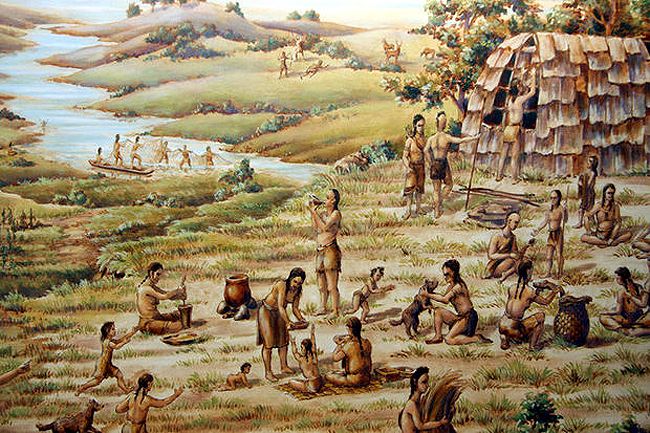 Illustration of a typical Lenape village
Regretfully, however, as is the case for many of America’s native populations, European colonization proved a vast detriment to the Lenape tribe. With European settlement came war, disease, and displacement, resulting in great turmoil for tribes throughout the United States. The…