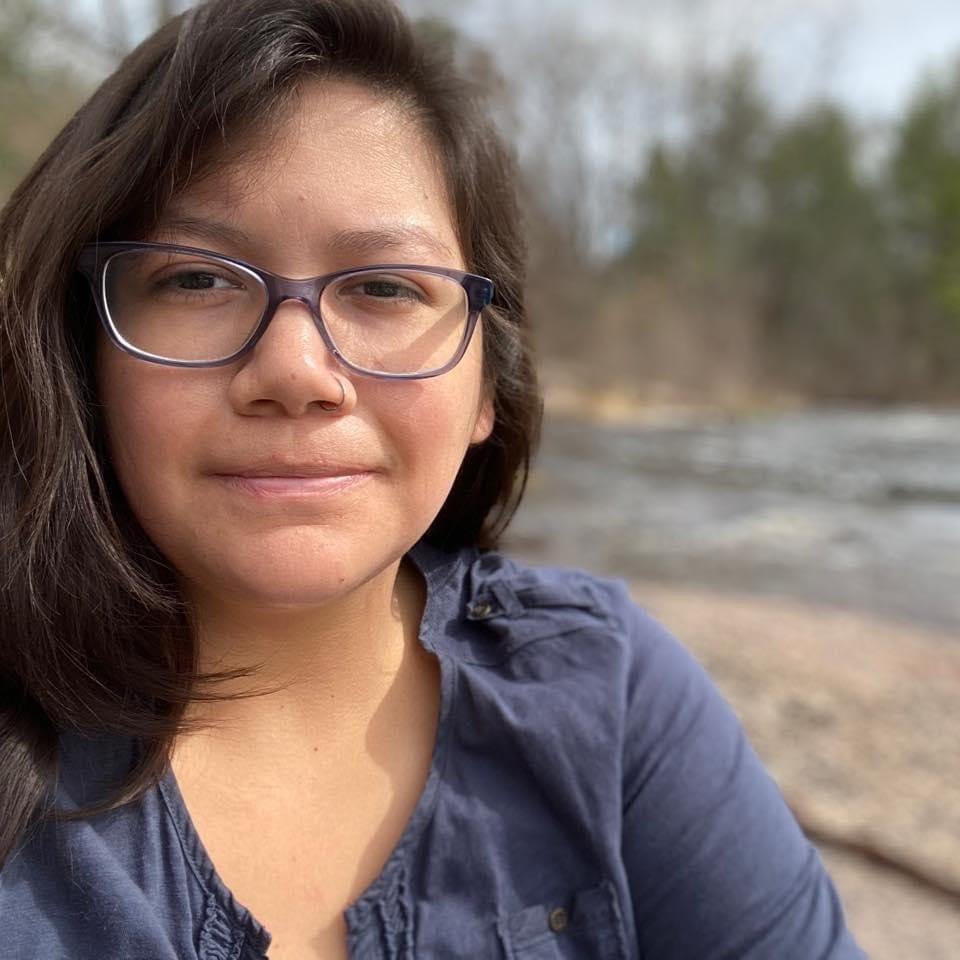
Jasmine Neosh strolls through the Menominee Forest realizing that so much can be learned here about how native woods are supposed to be without many of the invasive plants from Europe.
These invasive plants pervade much of the woodlands in the country and foresters today are working to restore large swaths back to native environments partly through Indigenous land management techniques, such as prescribed burning.
It is work the Menominee have always practiced on a patch of land that was never taken by European settlers.
At the same time, the forest also provides a business for the tribe, supplying lumber in a sustainable way that has been used in many notable places, such as the Milwaukee Bucks basketball court and NCAA courts.
“Management of the forest was excellent, taking good care of the environment and making a profit,” Neosh, 32, who is a Menominee Nation citizen, said. “Most people think the area is wild. You can see the outlines (of the forest) from space. They think that Natives just left it alone. But we’ve tended to it like gardeners for the entire existence and we’re still doing that today. And as a result of that level of care and understanding that we’ve put into it, it’s incredibly healthy.”

Jasmine Neosh
Foresters from around the world come to the Menominee Forest to research Indigenous land techniques because the forest is one of the most pristine and healthy native timberlands in the country.
RELATED: ‘Our spiritual home’: Wisconsin’s pristine Menominee Forest a model for sustainable living, logging
RELATED: How the lost Mohican language is being revived in Wisconsin with help from a New York initiative
As a graduate student at the College of Menominee Nation, Neosh has been researching the Menominee Forest and is…