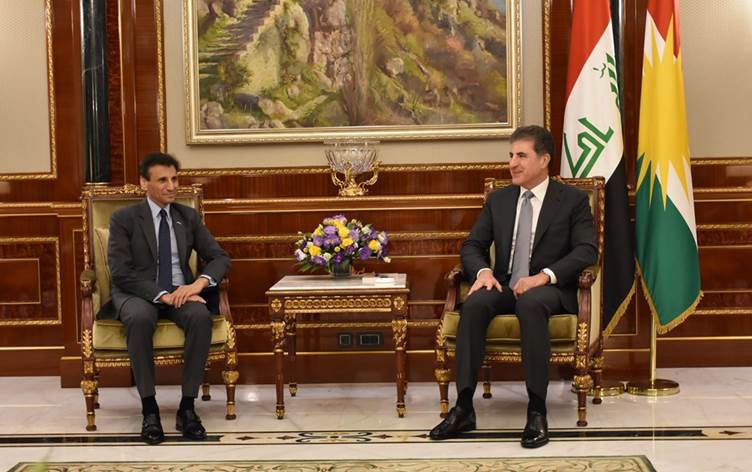
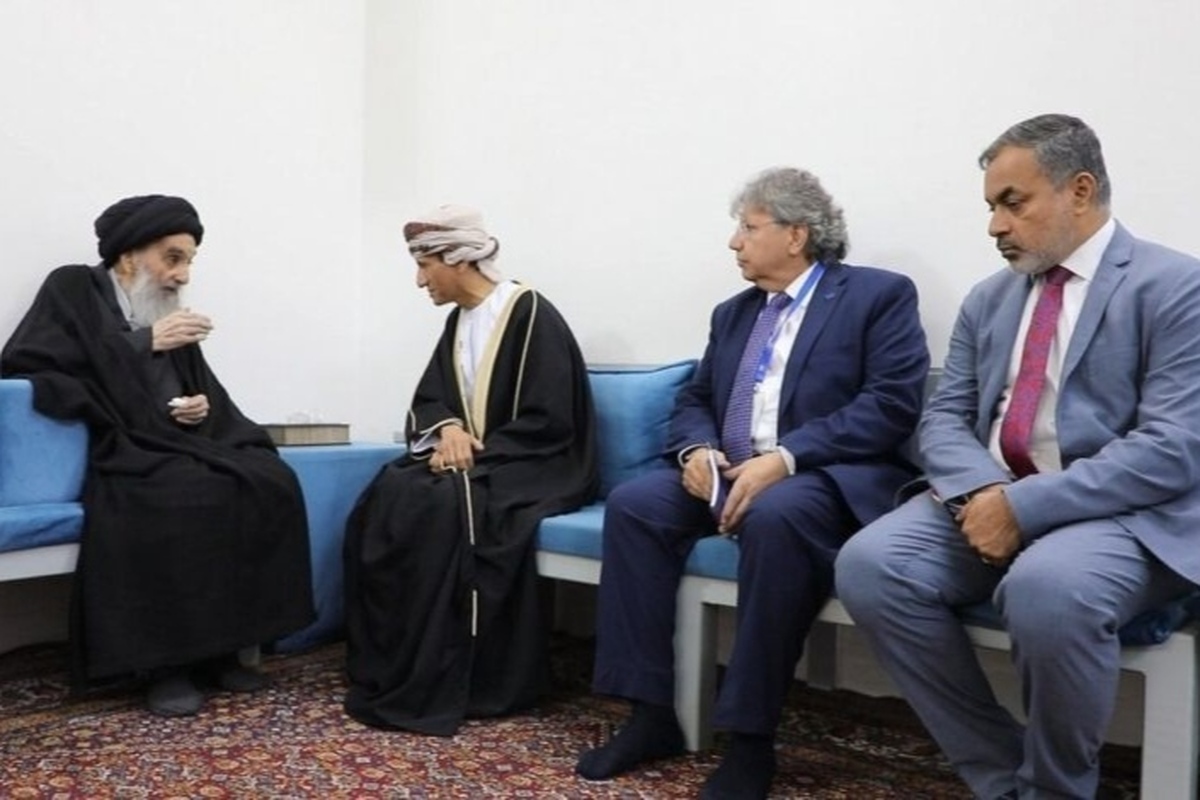
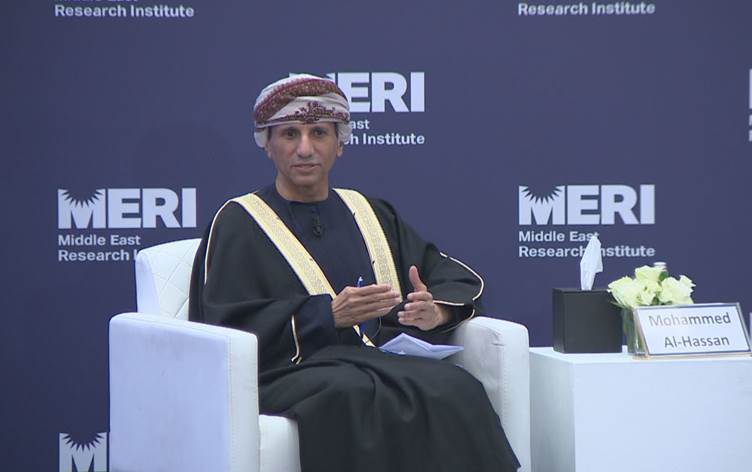
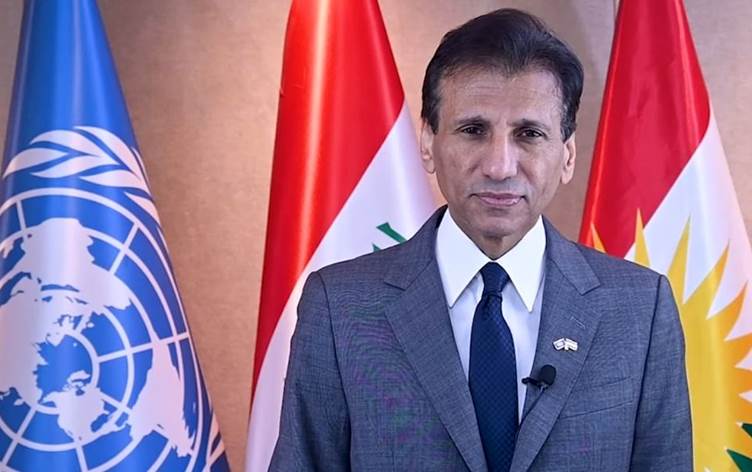
ERBIL, Kurdistan Region – The new head of the UN assistance mission in Iraq, Mohamed al-Hassan, on Monday met with the country’s highest Shiite religious authority, with both emphasizing the need to safeguard the well-being and dignity of Iraqis, free from foreign interference.
“I gained much guidance, advice, and perspectives aimed at protecting and elevating the well-being of human beings and preserving their dignity wherever they are,” UN Assistance Mission for Iraq chief Hassan, referring to Grand Ayatollah Ali al-Sistani.
Sistani was born in Iran’s Mashhad in 1930. He has held the position of Iraq’s most senior Shiite authority since the 1990s and is respected by Muslims around the world.
Hassan expressed gratitude for “the continued support of His Eminence” for the United Nations Assistance Mission for Iraq (UNAMI) over the last two decades,” adding a commitment to “jointly working towards building on Iraq’s regional and international standing.”
Referring to Sistani, Hassan emphasized: “We, in the United Nations, categorically reject any threat to the Marjaiya, in light of the symbolic significance and respect enjoyed in this country and throughout the world.”
In October, a right-wing Israeli broadcaster displayed images of six Iranian and pro-Iran figures, including Sistani, with crosshairs on their heads, suggesting they were potential targets.
Following this Iraqi Prime Minister Mohammed Shia’ al-Sudani told a US delegation in Baghdad that disrespecting the country’s religious figures is “an affront” to the feelings of Muslims.
“The UN’s presence in and support for Iraq will continue in the interests of this country and its people, through several programs and projects of a developmental, social and technical nature, in order to promote democracy and human rights and ensure respect for all Iraqis,” the statement added.
The UNAMI mission is set to end on December 31, 2025. Sudani made the request in May through a letter submitted to the UN Secretary-General…




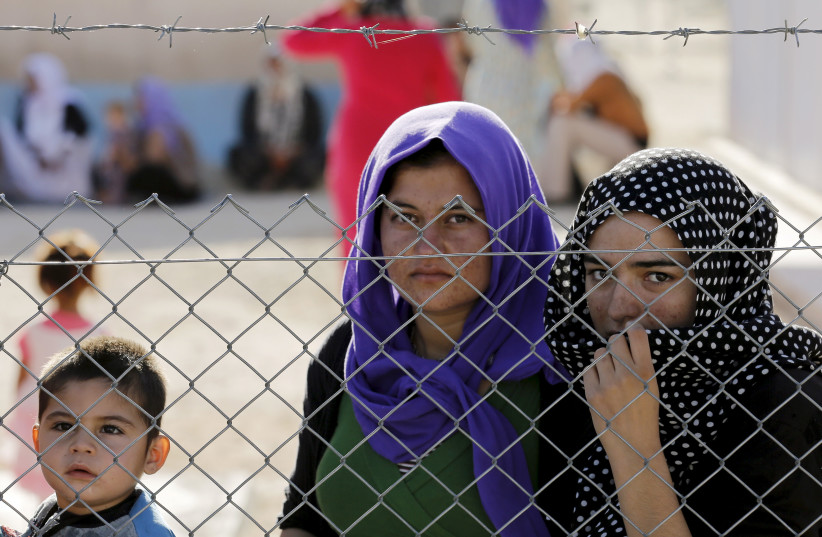 Yazidi refugees stand behind fences as they wait for the arrival of United Nations High Commissioner for Refugees Special Envoy Angelina Jolie at a Syrian and Iraqi refugee camp in the southern Turkish town of Midyat in Mardin province, Turkey, June 20, 2015. (credit: UMIT BEKTAS / REUTERS)